The Humanities are the academic, more objective and historical side of human history while the humanities are the aspects of people that make us human. In essence, the humanities are what humans do that make them human, and the Humanities are often the ways in which we try to delve into and understand the humanities. For example the Humes course at Davidson is an example of Humanities, in which we cover history, art and ways of thinking. College classes such as this attempt to understand what it means to be human.
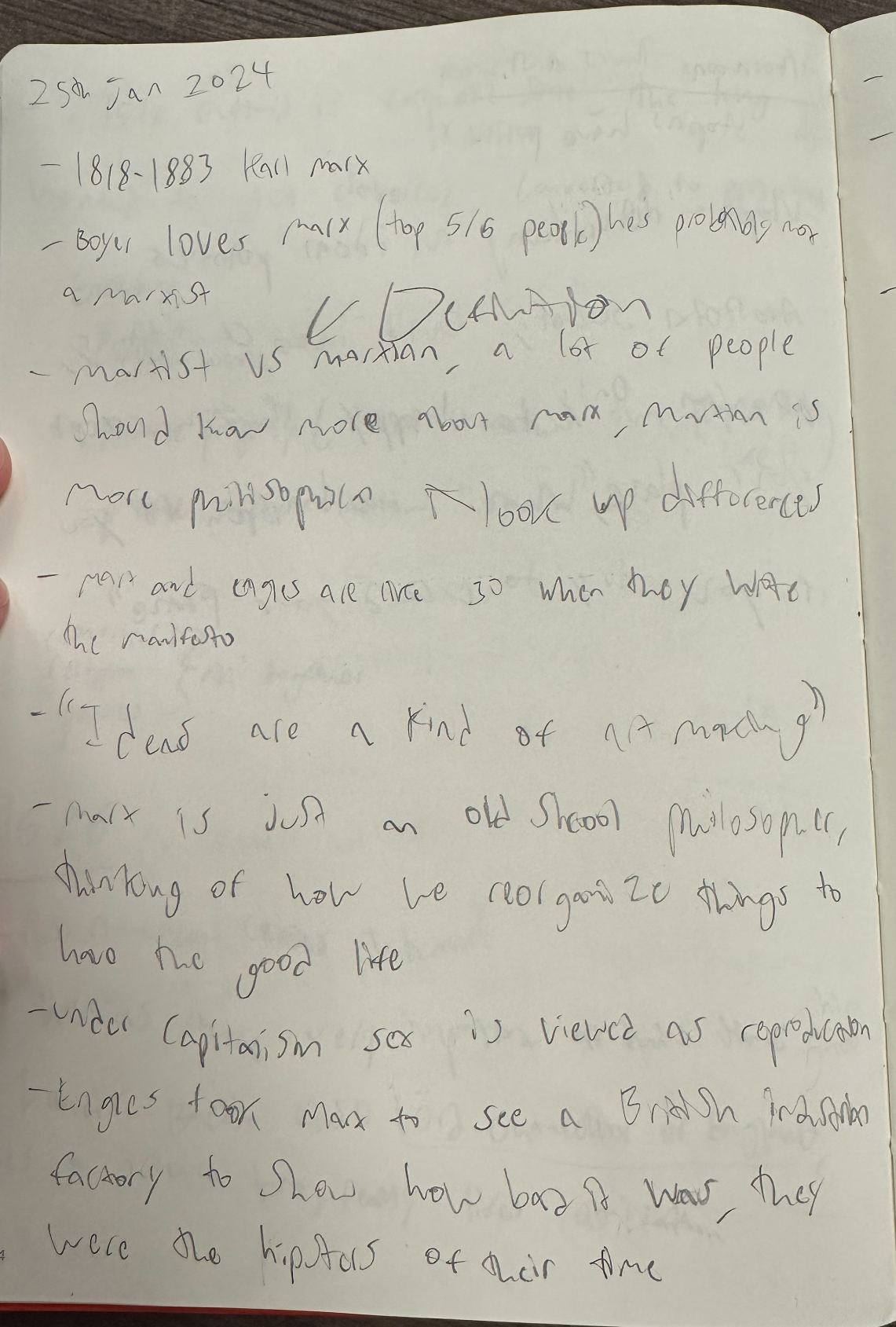
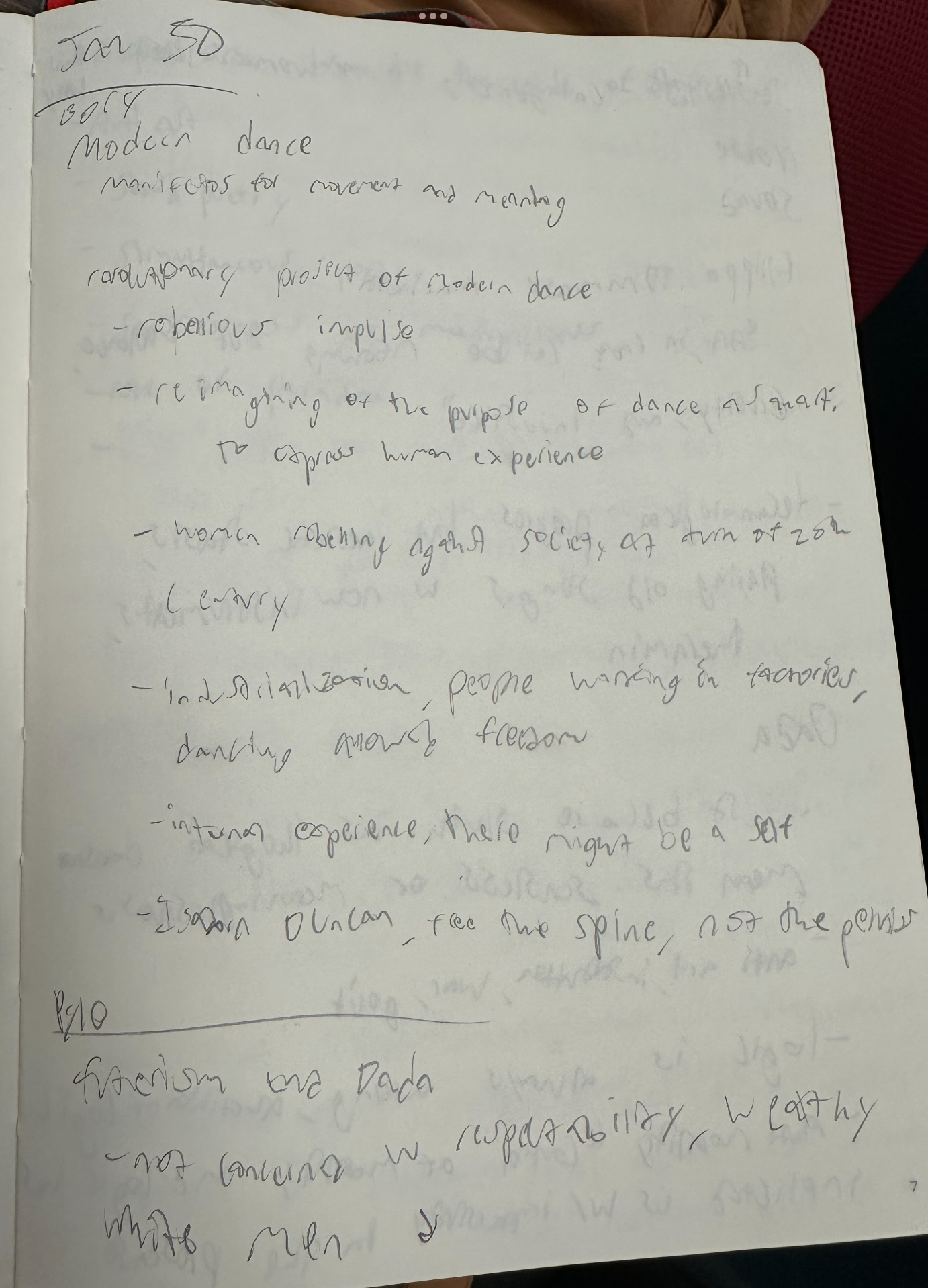
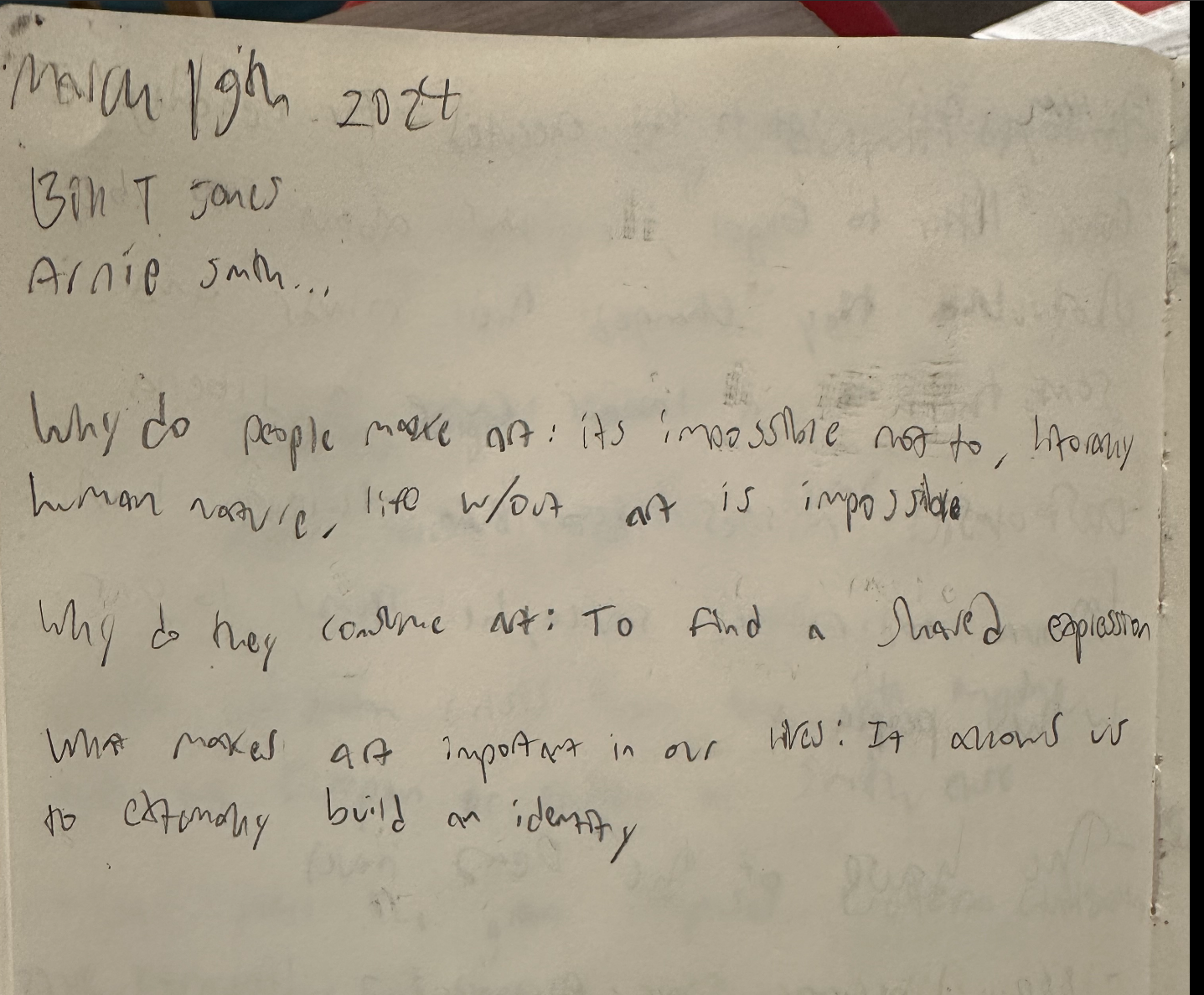
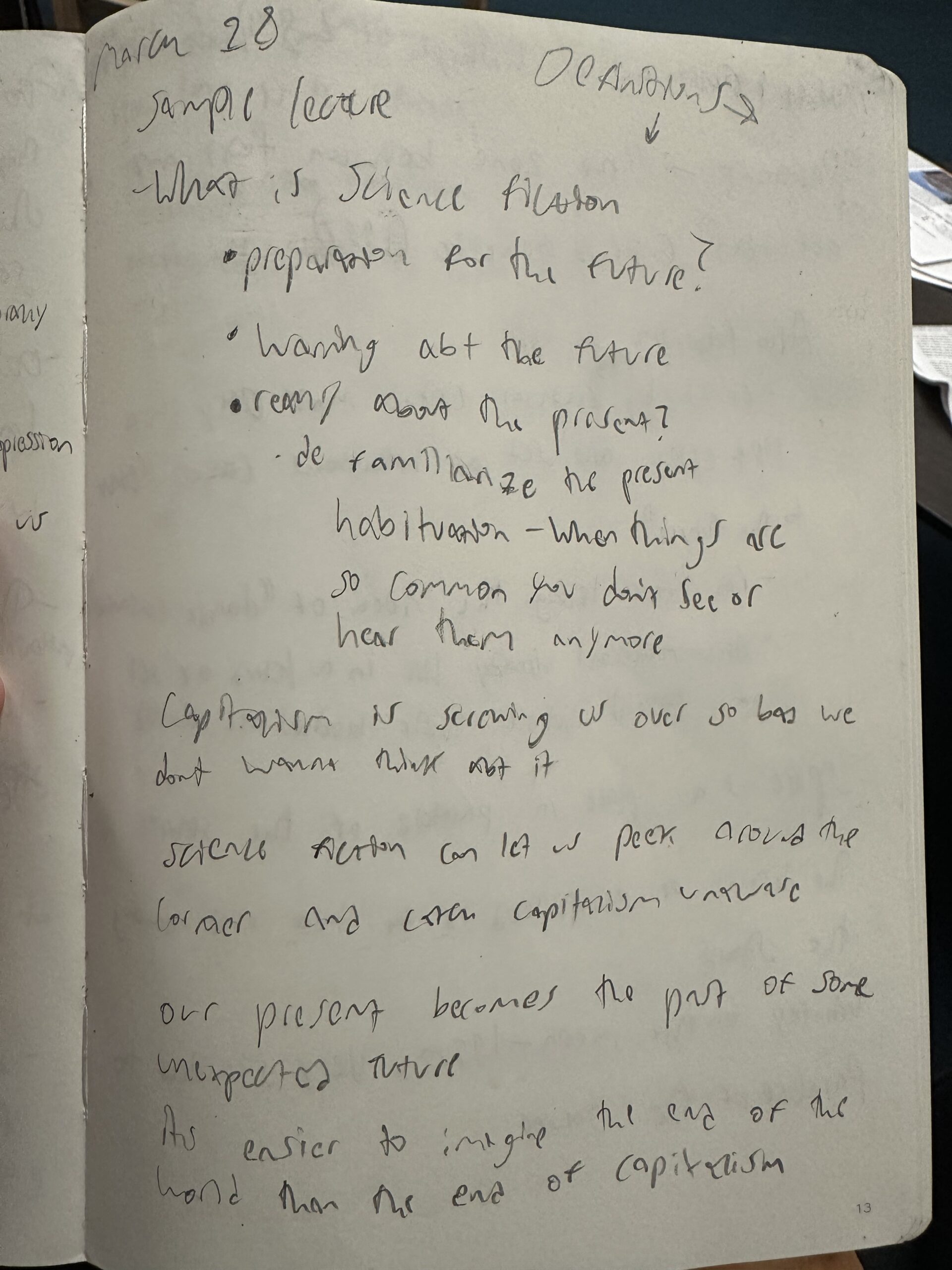
Throughout our plenary lectures each proffessor explored both aspects of the upper and lowercase humanities. For example in one of Dr. Robbs plenary lectures he provided many thought-provoking inquiry’s about if digients gaining human qualities made them more human. My section with Dr. Robb further discussed this topic, and we came to the conclusion that physical manifestation is a crucial aspect of being human, rather than something simply having human tendencies. In the January 25th plenary I thought there was an interesting tie made between the objectivity of the Humanity style approach to learning about marxism and the humanizing of marxists and its origins. In plenary it was said that Marx and Engles were “the hipsters of their time”, humanizing these martyred-beyond-human figures of history. Similarly, in Dr. Bory’s Jan 30th plenary she explored the potential for modern dance, a very humanities-based practice to be tied to the study of people undergoing social change. The social change mentioned in this plenary is centered around Humanity focused scholarship, and the distinction and simultaneous connection Dr. Bory was able to make allowed me to think about what the difference between the humanities and the Humanities really is. Furthermore, I felt like Dr. Pyles Jan 30th lecture on Dada almost combined the humanities and the Humanities. He was examining human perception of illogical performances and meaningless through the lens of a scholar. Dada, in all its scholarly indoctrination and relevance within academic Humanity Fields, means nothing. This fact is a very humanity type choice which is what this Humanity style field is based around. A statement such as “logic is always wrong” seemed perfectly fitting for a Humanities class that aimed exploring lower case humanity simply because of how illogic it is, in a kind of circular way of reasoning. On March 19th we discussed why people make art. My reasoning was it is impossible for people not to. I believe that art is an humanity part of humanity, in a way that it cannot fully attain in the Humanities because of the necessary unspeakable element brought about by the connection between human beings and art. The March 28 plenary guided by Dr. Sample prompted a really interesting idea, that being “its easier to imagine the end of the world than the end of capitalism”. I think that both the field of Humanities and humanity itself is pushing to move more people to be able to imagine a world without capitalism. The suffering brought about by it will appeal to the human side of people and the Humanities will provide a more logical and history based approach to do the same.
To have humanity is different that being a human. The academic lens through which we view and discuss the humanities is very important in understanding humans, but it is a limited view. Often the humanities are formalized or even misrepresented through the Humanities, and it can often be more useful in conveying the humanity of a situation by experiencing it through another media. Reading the description of being reborn or enlightened in the threshing floor was a very useful thing to bring into class for Humes, as it is so different than anything I have experience in a Humanities class. It offered a very unique perspective into the experience of many people that I had not understood very well before.
Works Cited
Lincoln Hayes, “Humes 103/104 Red Notebook,” 2024.
